Peace, Zelensky, Druzhba – How Political Campaigning Unfolded on Social Media During the Hungarian Elections

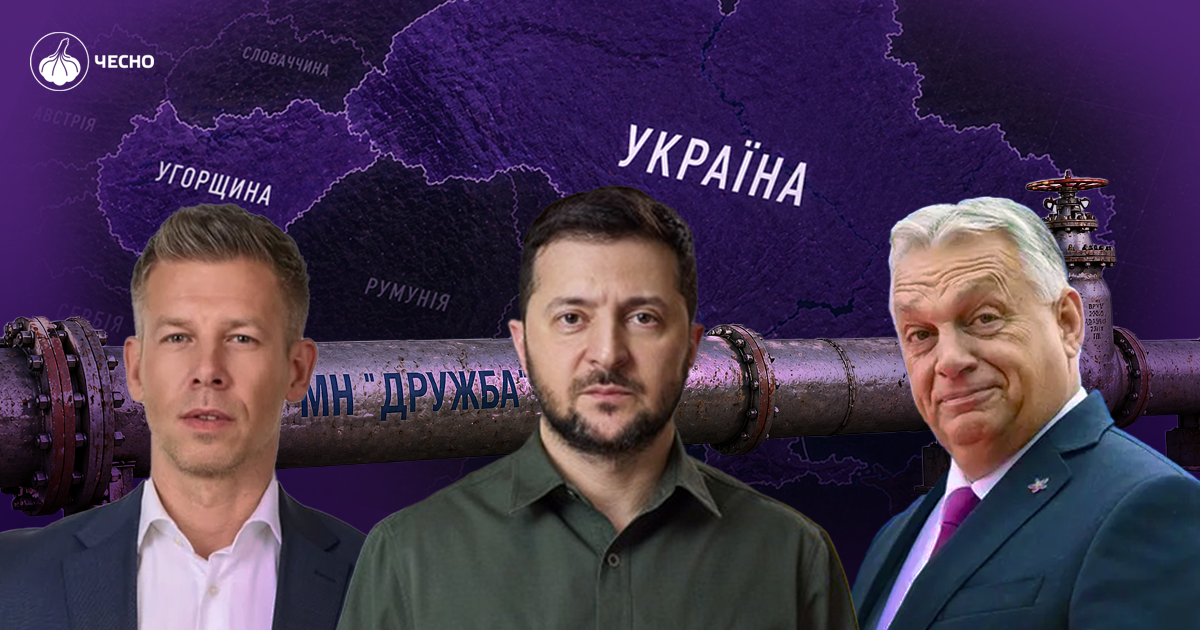
While Ukraine was celebrating Easter, the neighboring country of Hungary held a pivotal election. For the first time in many years, right-wing populist Viktor Orbán and his Fidesz party were defeated by the opposition party Tisza, led by Péter Magyar.
This outcome was preceded by months of electoral campaigning. Orbán had significantly broader access to the media, while Magyar chose to run a campaign built on personal visits to regions across the country. Yet campaigning also intensified on social media, and it took on a somewhat new shape.
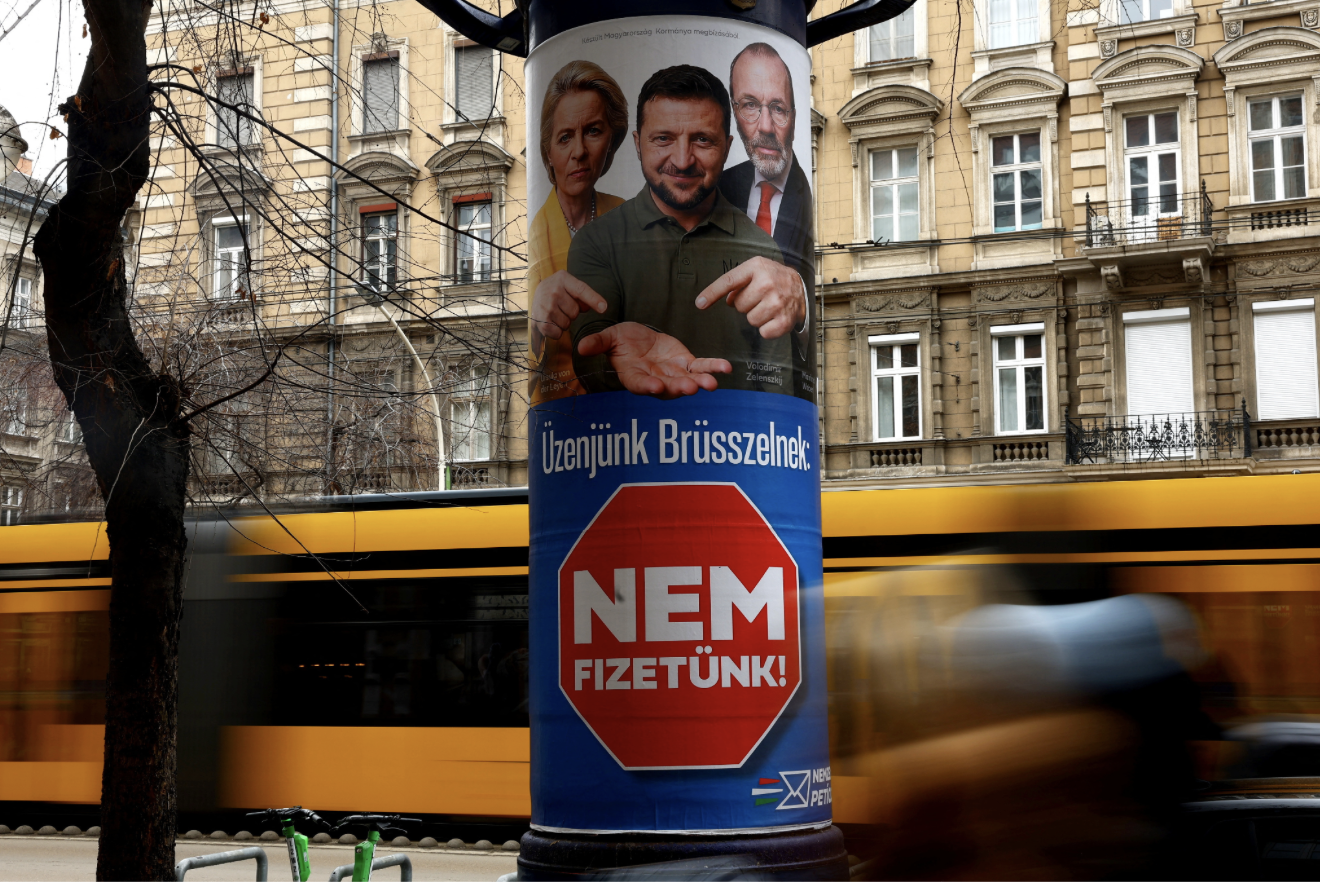
Last year, Meta banned political and electoral advertising on its platforms in EU countries – a move driven by updated transparency and ad-targeting regulations. Other platforms, including YouTube, adopted similar policies. As a result, Hungarian politicians were forced to seek new tactics.
The CHESNO Movement, together with Spectra Data, investigated the role played by third parties in Hungary’s election campaign – and what lessons Ukraine should draw from these events.
Fakes, Controlled Media, and Regional Campaigns
On 12 April 2026, Tisza won a decisive victory in the Hungarian parliamentary elections. Voter turnout exceeded 77% – a record figure for the country. The party secured a constitutional majority (two-thirds of seats), marking the end of Orbán’s 16-year rule.
The Hungarian election campaign was remarkable for several reasons. First, the media presence of political forces was profoundly asymmetrical. Orbán and Fidesz had spent years building a network of influence across media outlets, civil society organizations, and think tanks. By various estimates, Fidesz and its allies controlled approximately 80% of Hungary’s media landscape at the time of the election.
Denied access to traditional media, Magyar was compelled to focus on direct voter engagement through personal trips to the regions and an organic presence primarily on social media rather than in mainstream outlets. The Tisza team also built a network of local chapters across the country.
Second, Russia also became involved in the course of the election campaign. Using the “Matryoshka” and “Storm-1516” networks, Russian actors spread disinformation – focusing primarily on discrediting Ukraine. In the end, however, these tactics did not help Orbán win.
Third, since October 2025, Meta has fully banned paid political and electoral advertising on its platforms (Facebook and Instagram) across EU countries. The decision was made in response to the new Regulation on the Transparency and Targeting of Political Advertising. Google had earlier taken a similar step, removing the ability to promote political content through YouTube and its other services.
However, the ban did not apply to organic content – posts from personal and public pages, reposts, comments, and themed groups. These formats became central to the 2026 Hungarian election campaign. In practice, the vast majority of political campaigning was disseminated not by electoral participants themselves, but by third parties.
Peace, Zelensky, Druzhba
The CHESNO Movement and Spectra Data analyzed more than 138,000 posts on Hungarian Facebook published over approximately three months leading up to the election. Two questions proved particularly interesting: which topics and narratives were most popular, and what role third parties played in spreading them.
We identified 50 thematic clusters. The largest and most popular was the discussion of peace marches – especially in the period around 15 March. Over 6,800 posts accumulated more than 17 million likes and approximately one million reposts and comments.

Discussion of this topic and its use in campaigning peaked on 15 March – Hungary’s Day of Peace – which marks the beginning of the revolution against the Austrian Empire in 1848. Ahead of the elections, Fidesz organized a Peace March timed to coincide with the occasion.
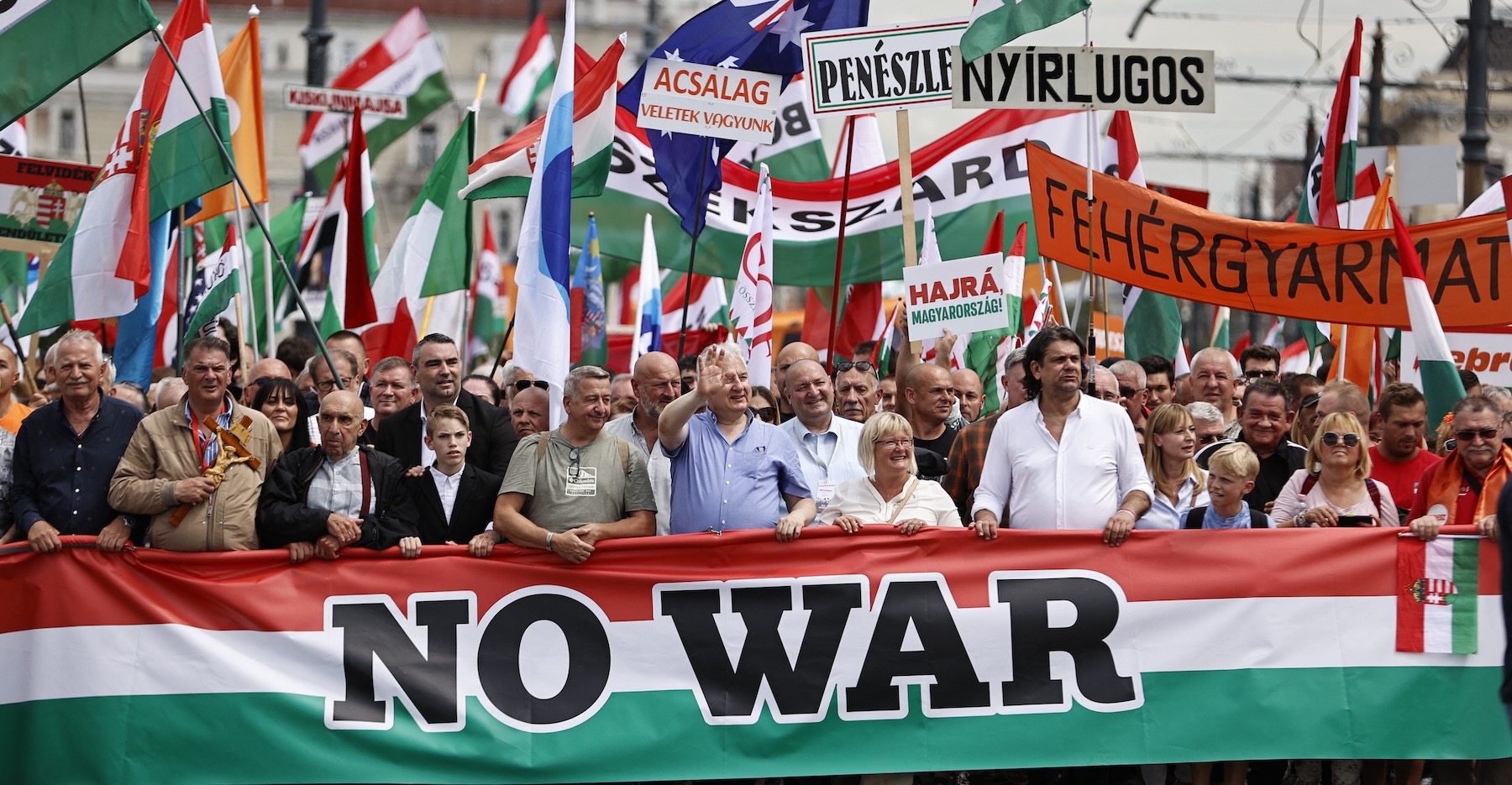
Magyar’s Tisza party also held a rally that day. According to their claims, approximately half a million people attended the Budapest rally (roughly 5% of Hungary’s population). Other estimates put the Tisza crowd at around one hundred thousand, with Fidesz attracting only a few tens of thousands.

It was Fidesz pages and affiliated organizations that covered these events most extensively. At the same time, they all began writing less about the country’s domestic economic situation, leaning instead on a narrative that framed Orbán as the “safe” choice against the specter of war. As the results later demonstrated, this proved to be far from a winning strategy.
In the digital age, where politicians increasingly rely on online campaigning, real-world politics did not retreat to the background. Magyar’s offline campaign strategy of touring the regions and drawing larger crowds proved more effective than Orbán’s dominance in the media and on social networks, despite receiving far less media coverage.

Two other themes were prominent on social media throughout all three months before the election: Orbán as the choice for security and peace, and the campaign against Volodymyr Zelensky. While the former was covered relatively evenly by both Fidesz party pages and affiliated third parties, the anti-Zelensky hysteria was driven primarily by media outlets, civic organizations, and think tanks close to Fidesz.

The pro-government side also focused on accusing Magyar of ties with Ukraine and personally with Zelensky, all of which he consistently denied. In addition, Magyar repeatedly spoke out against Ukraine’s rapid accession to the European Union. None of this ultimately worked in Orbán’s favor.
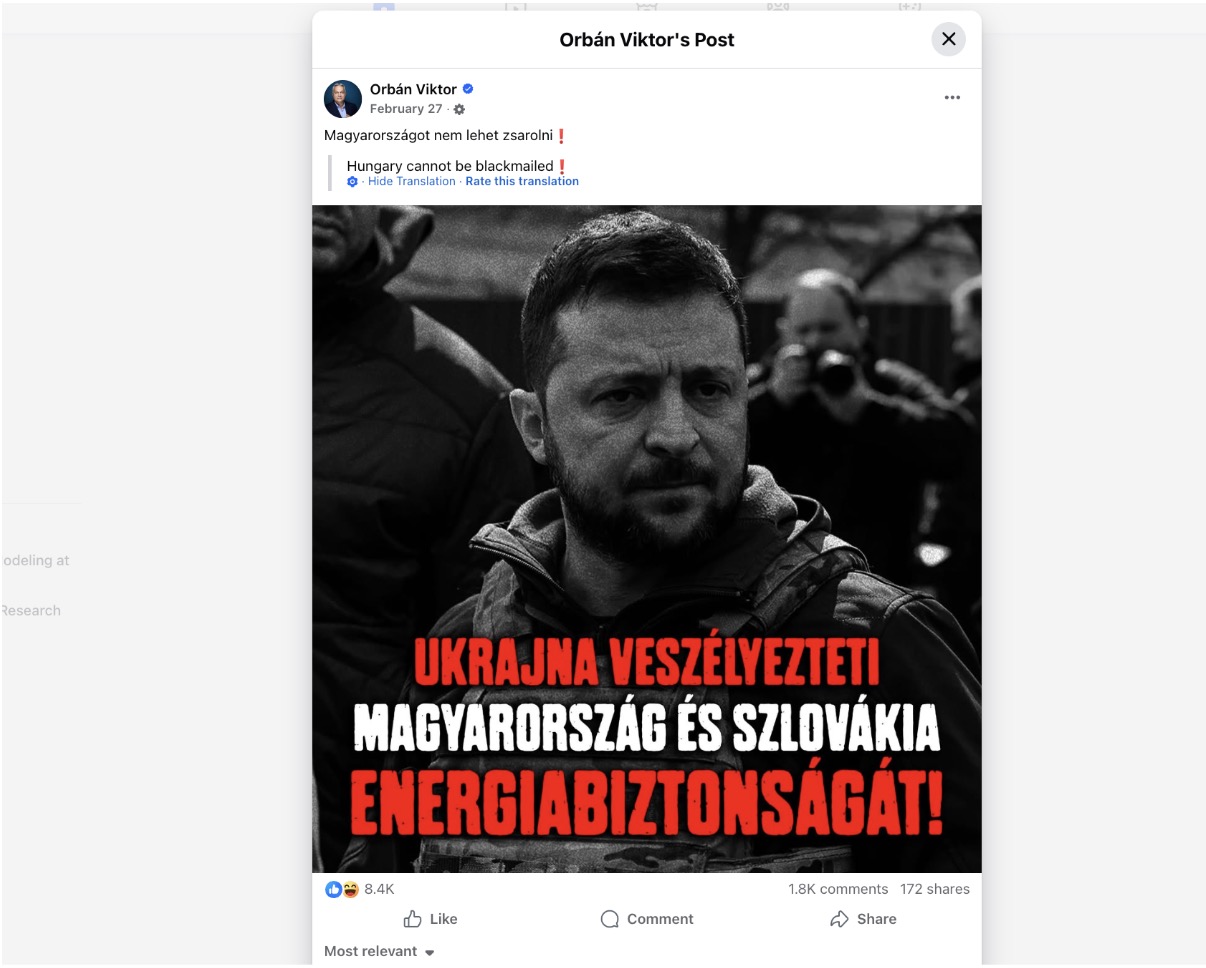
Damage to the Druzhba oil pipeline caused by a Russian strike in March added further fuel to the fire. Notably, the number of posts discussing Ukraine and Zelensky in the context of the election race was almost equal to the volume of content about peace marches – yet its reach was three times lower.

This is not only an additional argument in favor of the importance of offline campaigning. It also revealed that a campaign built on demonizing Ukraine – and Volodymyr Zelensky in particular – simply did not resonate with Hungarian voters.
Fidesz itself appears to have begun sensing this, as the volume of posts about Zelensky started declining closer to the election date, while the narrative of Orbán as the choice for peace and security increased instead. But it was both too late and off-target: after 16 years of Orbán’s rule, corruption scandals, and a difficult economic situation, public frustration had reached a boiling point.
Lessons from a Historic Election
Fidesz’s defeat confirmed several important conclusions about modern electoral technologies and the role of social media in elections.
First: total control over the media landscape does not in itself guarantee victory if voters have access to an alternative information channel. An organic presence on social media, combined with active offline campaigning and direct contact with voters, proved effective even without access to traditional media.
Second: Meta’s ban on paid political advertising in EU countries genuinely changed the rules of the game – though not entirely in the way anticipated. In practice, it deepened the inequality between competitors and widened the asymmetry of media access.
Fidesz compensated for the absence of paid promotion through loyal media outlets, bloggers, civic organizations, and think tanks that were already embedded in the social media landscape. The party effectively converted its control over the media environment into a campaign delivered through third parties.
The costs of such a campaign are considerably harder to monitor – even though the new regulations that led to Meta’s decision were, ironically, intended to increase the transparency of political advertising.
Third: coordinated information campaigns, paid advertising, and third-party involvement are ultimately just tools. Without an accurate reading of voter sentiment – the most important factor for a successful campaign – they will be ineffective.
The use of anti-Ukrainian narratives in Hungary proved to be a failing strategy. The demonization of Zelensky and the labelling of the opposition as “Kyiv’s agents” – despite support from Russian networks such as “Storm-1516” and “Matryoshka” – failed to resonate with voters. A far more effective choice, as Magyar demonstrated, was to speak to the country’s internal problems.
Methodology: The analysis is based on a dataset of 138,800 Facebook posts collected from 72 Hungarian pages over the period from 1 January to 6 April 2026 – including accounts of news outlets, political parties, civic organizations, and individual public figures. A clustering method based on machine learning algorithms using language models was applied to identify thematic groups of content, resulting in 50 thematic clusters. The political affiliation of pages was determined through manual annotation based on open sources. Data was provided by Spectra Data.


Related articlesRead more
Обіцянки Царства Божого та слід Кремля. Як просувають політичне русинство на Закарпатті?


Угорська загроза: як Орбан змінює виборчі правила під себе

Форинти не пахнуть. Як угорські партії посилюють вплив на Закарпатті (оновлено)
Поділитись