Who Will Tell the Truth If Journalists Are Forced to Stay Silent?

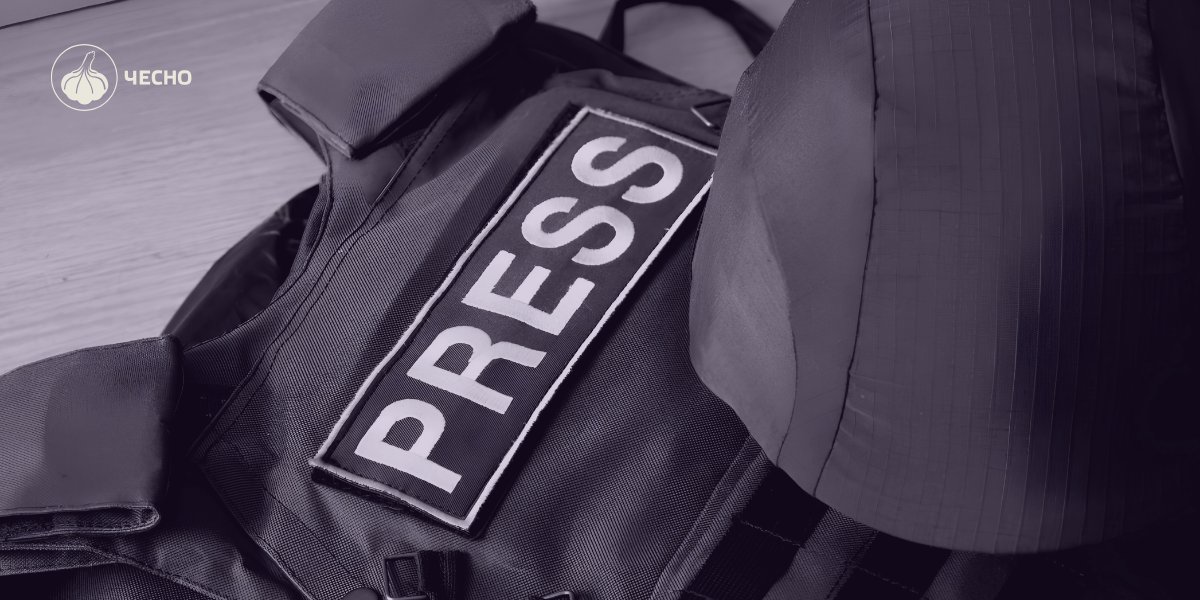
“We’ll take you to the basement, then out to a field and shoot you.” These were the words Russian soldiers said to Serhii, a university lecturer from Mariupol, as he was trying to leave the occupied city. The soldiers searched his phone, read his messages and threatened to shoot him because they found photos of his students wearing military uniforms.
I recorded this interview in April 2022. At the time, Serhii told me about Russia’s “filtration” system — forced checks of civilians in occupied territories, often involving threats, violence and illegal detention.
Serhii managed to escape the occupation and tell his story. But who will tell the stories of those who cannot escape?
November 2 marks the International Day to End Impunity for Crimes against Journalists. It is a reminder of those who risk their freedom and their lives to tell the world what others are trying to hide.
One of those people was Ukrainian journalist Viktoriia Roshchyna. She travelled to Russian-occupied territories on her own to show the world what life was like for people living under Russian control.
“I believed I had to tell the truth from the blockaded city. It was my own decision,” Viktoriia said, explaining why she had travelled to the besieged city of Mariupol in 2022.
Russian forces detained her for ten days before releasing her. In 2023, she travelled to occupied territory again. This time, she never came home.
In October 2024, it became known that 27-year-old Viktoriia had died in Russian captivity. Her body was later returned to Ukraine with signs of torture. Her brain, eyes and part of her windpipe were missing.
International investigators believe this may have been an attempt to hide the real cause of her death. But finding out the truth is extremely difficult. Russia does not allow independent investigators to visit its detention facilities or access case documents. As a result, a full investigation into her death is almost impossible, and those responsible may never face justice.
Ukraine knows how dangerous this can be because it has experienced the consequences of impunity before. The murder of journalist Georgiy Gongadze in 2000 has been under investigation for 26 years.
His story reminds us that crimes against journalists are not only a problem for newsrooms or the media community. When journalists are persecuted for their work and those responsible escape punishment, the whole society’s right to know the truth is at risk.
For Ukraine, during Russia’s war, this is also a matter of survival. Russia is trying not only to occupy Ukrainian land but also to hide its crimes. It does this by taking away people’s ability to speak and preventing journalists from telling the truth.
Viktoriia was not the only one. Today, dozens of Ukrainian media workers remain in Russian captivity. They once told the world other people’s stories. Serhii was able to tell his own story. They cannot. That is why it is now our responsibility to tell their stories, demand their release and call for those responsible for crimes against them to be brought to justice.
Because the more Ukrainian journalists Russia manages to silence, the more truth the world may never hear.


Related articlesRead more
Нардепи знову хочуть протягнути скандальний законопроєкт про тиск на журналістів: серед авторів Бужанський і ексчлени ОПЗЖ


In the line of fire: How war destroys the economy of front-line regions

Lies of Rashist Propagandists: from "Preparations" for Explosion of Crimean Bridge to "Bombing" of Verkhovna Rada
Поділитись